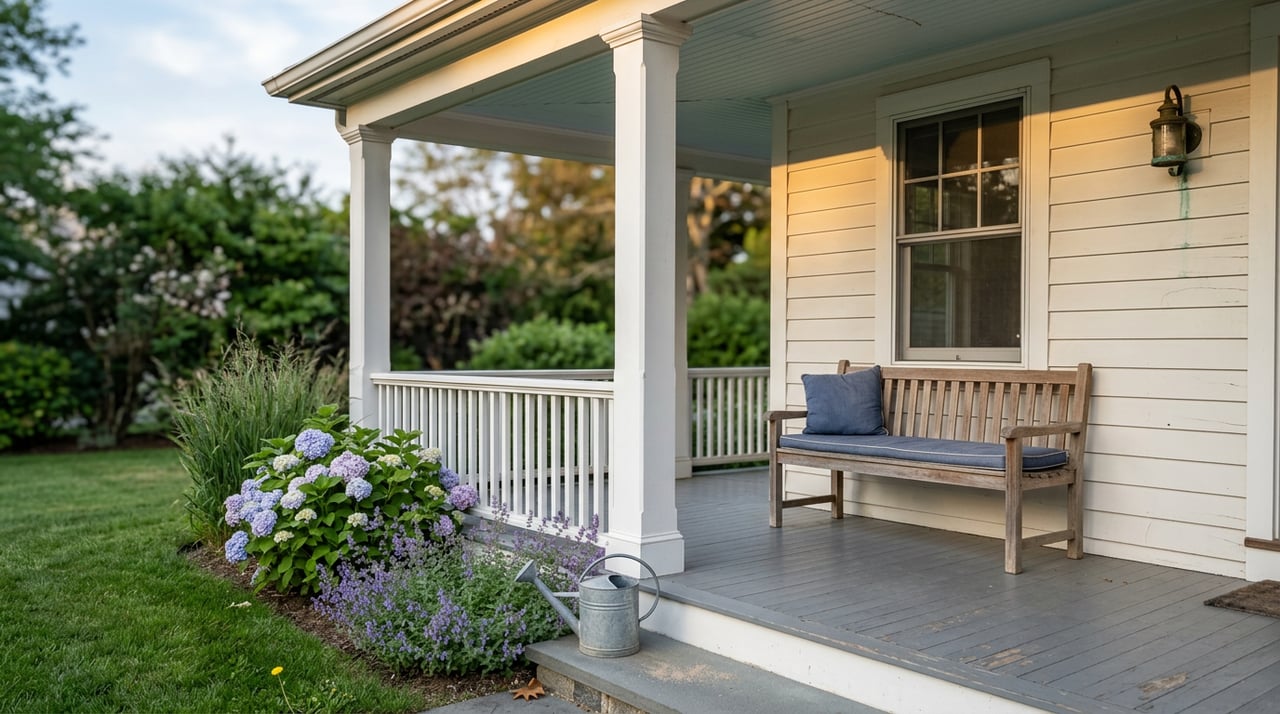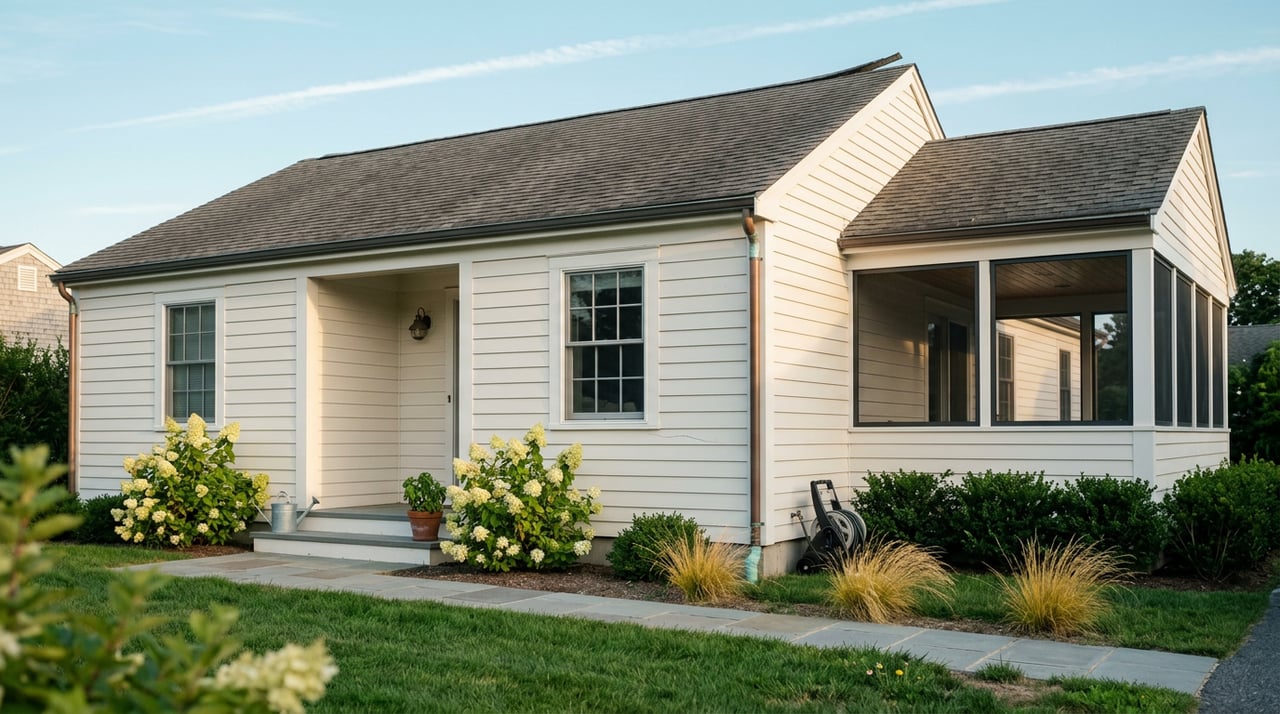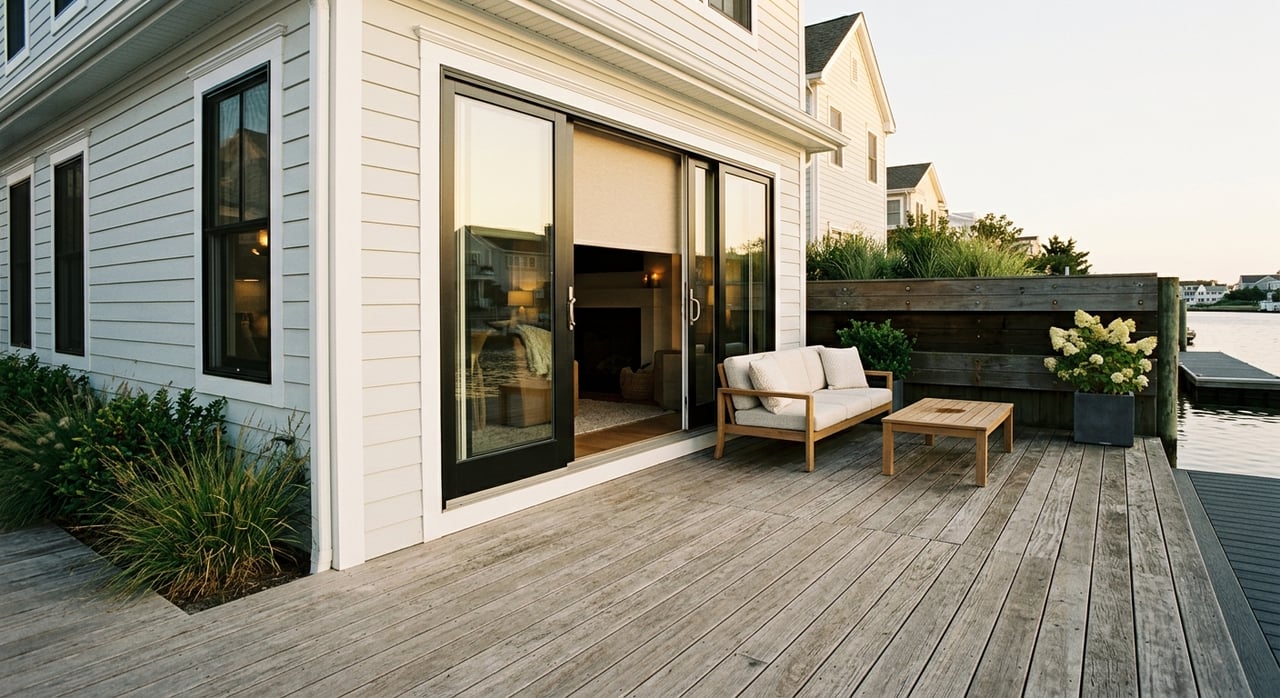
Wondering what everyday coastal living in Toms River actually feels like? It is easy to picture a full-on beach town, but the reality is more layered and, for many buyers, more practical. If you are trying to figure out which part of Toms River fits your routine, this guide will help you understand the town’s different neighborhood pockets, outdoor lifestyle, downtown energy, and commuting options. Let’s dive in.
Toms River feels coastal and suburban
Toms River is not one long oceanfront strip. According to the township’s land-use planning, it has about 3 miles of ocean frontage and 31 miles of bay frontage, with a suburban character overall.
That matters because your day-to-day life here can look very different depending on where you land. Some areas feel strongly tied to lagoons and bay access, some feel more like classic suburban neighborhoods, and some give you a beach-oriented routine on the barrier island.
Commercial activity is also spread through several key corridors, including Route 37, Route 9, Fischer Boulevard, Hooper Avenue, and Downtown Toms River. So if you are picturing coastal living with easy errands and a real year-round routine, Toms River offers that mix better than many people expect.
Outdoor life goes beyond beach season
A big part of everyday living in Toms River is how often the water shows up in normal routines. You are not limited to summer weekends or ocean trips.
Huddy Park on East Water Street is one of the clearest examples. It includes a kayak launch, picnic benches, parking, historic features, and special events, which gives the riverfront a real daily-life presence instead of just a scenic backdrop.
Cattus Island County Park adds another layer to local outdoor life. The park spans 530 acres in Toms River and includes the Cooper Environmental Center along with a 1,000-foot ADA-accessible boardwalk focused on Barnegat Bay.
If you want more variety, E.B. Leone County Conservation Area sits on Silver Bay and offers pontoon-boat tours. Winding River Park and the township’s Winding River Skating Rink also support a four-season lifestyle with trails, fields, and ice activities.
Downtown Toms River has the most walkable feel
If you want a part of town with more activity and civic energy, downtown stands out. Township planning describes this core as a mixed-use, pedestrian-friendly district centered around Main Street, Washington Street, Water Street, Huddy Park, and Robbins Parkway.
In plain terms, this is the part of Toms River that feels the most like a small town center. It is where you get a stronger mix of events, local businesses, public spaces, and a waterfront setting.
The downtown calendar supports that reputation. The 2026 farmers’ market runs every Wednesday from June 17 through October 14 at the Town Hall Courtyard, and Washington Street hosts festivals and recurring summer car shows.
There is also a local heritage element here. The township Historic Preservation Commission’s Hidden History Trail creates an eight-stop walk that adds more character to the area.
Toms River neighborhood pockets to know
One of the most useful things to understand about Toms River is that it has distinct lifestyle pockets. Official planning documents identify sections such as East Toms River, West Toms River, North Toms River, Pleasant Plains, Silverton, and the beach areas of Ortley, Chadwick, Ocean, and Normandy Beach.
They also identify mainland bayshore neighborhoods such as Gilford Park, Bay Shore, Shelter Cove, East Dover, Snug Harbor, Green Island, and Silverton. Some of these waterfront areas were originally built as vacation communities and later shifted toward primary residences.
That history helps explain why home styles, lot patterns, and daily routines can change from one section to the next.
Downtown and Water Street
This pocket is the best fit if you want to be near events, mixed-use blocks, and the riverfront. It tends to offer the most walkable setting in town, along with older homes and a more established street grid.
If you like the idea of being closer to local activity, public spaces, and downtown character, this area is worth a closer look. Parking and lot sizes may feel tighter here than in more suburban sections.
Mainland bayshore areas
Areas like East Dover, Silverton, and Shelter Cove are among the strongest water-oriented pockets on the mainland. These neighborhoods often appeal to buyers who want lagoon or bay access and a shore feel without living directly on the oceanfront.
This kind of lifestyle can be a great match if boating or waterfront views are high on your list. It can also come with more property maintenance considerations, which is something smart buyers should weigh early.
Inland residential sections
North Dover, Pleasant Plains, and other inland sections lean more suburban in feel. Township planning notes a mix that includes medium-density single-family housing in Silverton and higher-density retirement communities in North Dover.
If your priority is a steadier neighborhood rhythm, more separation from direct coastal exposure, or a more traditional suburban layout, these areas may feel more comfortable. They often attract buyers who want routine and space to shape daily life.
Ortley Beach and the barrier island
If your vision of coastal living starts with the beach itself, Ortley Beach is the clearest fit within Toms River. This is the township’s most direct oceanfront pocket, and the recreation department still manages Ortley Beach badges.
This area is especially relevant for buyers looking for a second home, vacation property, or a true beach-centered routine. It delivers a different experience than the mainland, with the ocean playing a more direct role in everyday life.
Route 37 and Hooper Avenue corridor
Not every buyer wants coastal living to mean remote or slow-paced. The Route 37 and Hooper Avenue corridor is part of the township’s main commercial spine and offers a more convenience-driven lifestyle.
If shopping, daily errands, and easier access to major routes matter to you, this section can make day-to-day life simpler. It is a practical choice for people who want coastal proximity without organizing life around the waterfront.
What daily routines can look like
In Toms River, your version of coastal living may be less about walking to the ocean every day and more about having water woven into normal life. That could mean launching a kayak at Huddy Park, spending time on the bay, heading to a county park, or living in a neighborhood where lagoons are part of the backdrop.
For some buyers, the best fit is a downtown routine with community events and local dining. For others, it is a more suburban setup inland, where you still have easy access to parks, the waterfront, and the barrier island when you want it.
That is one reason Toms River appeals to such a wide mix of buyers. You can often choose how coastal you want your everyday life to feel.
Getting around Toms River
Toms River remains car-friendly, but it is not cut off from transit options. NJ Transit lists the Toms River Park & Ride at Garden State Parkway Exit 81 North and Water Street with 552 standard spaces.
NJ Transit also notes that Route 137 serves Toms River year-round and connects to New York. For local travel, Ocean Ride offers bus service plus a Reserve-A-Ride program for seniors and riders with disabilities.
Route tables show service to places like Ocean County Mall, Community Medical Center, and the Toms River Park & Ride. So while many residents still drive for daily convenience, there are public transportation options built into the township.
How to choose the right pocket
The smartest way to approach Toms River is to match the area to your real routine, not just the map. A bayfront or lagoon neighborhood may sound perfect, but your daily priorities might point you toward downtown access, a suburban setting, or easier commuting.
A few questions can help narrow it down:
- Do you want water access or just water nearby?
- Would you use downtown events and walkable blocks regularly?
- Do you prefer a beach-centered lifestyle or a mainland routine?
- How important are shopping corridors and commuter access?
- Are you comfortable with the added upkeep that can come with some waterfront properties?
That kind of honest fit-check matters in Toms River because the township offers several versions of coastal living, not just one.
If you are trying to compare waterfront sections, suburban pockets, or barrier-island options in Toms River, working with a local team that understands the differences can save you time and help you avoid expensive mistakes. For straightforward guidance on what fits your goals, connect with Alicia Daniels.
FAQs
What is everyday coastal living like in Toms River?
- Everyday coastal living in Toms River usually means a mix of suburban neighborhoods, bay access, parks, and a few more beach-focused areas rather than one continuous oceanfront lifestyle.
Which part of Toms River feels most walkable?
- Downtown Toms River, especially around Main Street, Washington Street, Water Street, Huddy Park, and Robbins Parkway, is the township’s most walkable and mixed-use area.
Which Toms River areas are most connected to the water?
- Mainland bayshore areas such as East Dover, Silverton, and Shelter Cove are among the most water-oriented mainland pockets, while Ortley Beach is the clearest oceanfront area.
Is Toms River only a summer beach town?
- No. Parks like Cattus Island County Park, Huddy Park, E.B. Leone County Conservation Area, and Winding River Park support outdoor routines that extend well beyond summer.
Can you commute from Toms River to New York?
- Yes. NJ Transit says Route 137 serves Toms River year-round and connects to New York, and the Toms River Park & Ride offers 552 standard spaces.
How do you choose the right Toms River neighborhood?
- The best approach is to compare your daily routine with each area’s lifestyle, including water access, walkability, commuting convenience, and the upkeep that may come with waterfront properties.